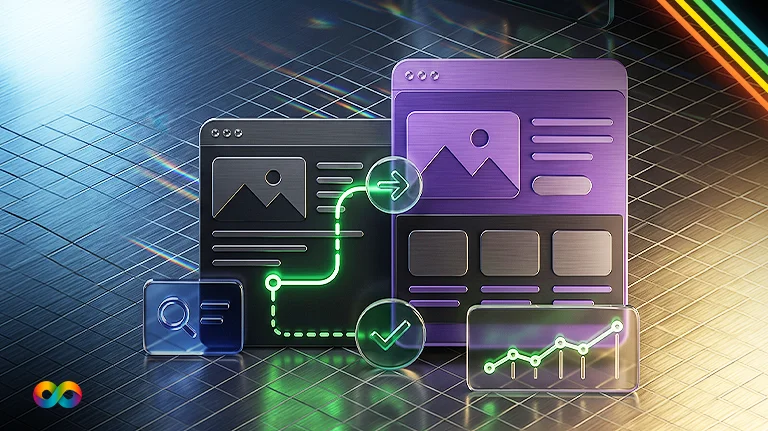







Running an online store is more competitive than ever. While many businesses invest heavily in marketing, they often overlook one critical factor their website design. Even small design flaws can frustrate visitors, reduce trust lead to abandoned carts. Understanding the most common eCommerce website design mistakes can help you create a better shopping experience, increase customer satisfaction and boost sales.
By following proven design principles and implementing modern optimization strategies, businesses can significantly improve their online performance.
Why Website Design Matters for eCommerce Success
Your website is your digital storefront. Unlike a physical store where staff can assist customers, your website must guide visitors independently. Every design decision from navigation to checkout affects how users interact with your brand.
A well-planned eCommerce website design builds trust, improves usability encourages customers to complete purchases. On the other hand, poor design creates confusion, increases bounce rates and reduces conversions.
Let’s explore the ten biggest mistakes businesses make and how you can avoid them.
1. Poor Website Navigation
Customers should find products within a few clicks. However, many online stores use confusing menus, unclear categories, or complicated navigation structures.
Instead:
- Organize products into logical categories.
- Include a powerful search feature.
- Use breadcrumb navigation.
- Keep the main menu simple and organized.
Simple navigation reduces frustration and helps shoppers locate products faster.
2. Slow Website Loading Speed
Website speed directly affects user experience and search engine rankings. Research consistently shows that even a one-second delay can reduce conversions.
To improve loading speed:
- Compress images.
- Enable browser caching.
- Minify CSS and JavaScript.
- Use a Content Delivery Network (CDN).
- Invest in reliable hosting.
Fast websites improve customer satisfaction and support better eCommerce website optimization.
3. Not Optimized for Mobile Devices
More than half of online shopping now happens on smartphones. If your website isn’t mobile-friendly, you’re losing potential customers every day.
A responsive website should include:
- Mobile-friendly navigation
- Large tap targets
- Readable fonts
- Fast mobile performance
- Simplified checkout
Following modern Online store design best practices ensures every visitor enjoys a seamless shopping experience regardless of device.
4. Weak Product Pages
Product pages should answer every customer question before they ask it.
Unfortunately, many businesses use:
- Low-quality images
- Short descriptions
- Missing specifications
- No customer reviews
- Weak call-to-action buttons
Instead, include:
- High-resolution images
- Multiple viewing angles
- Product videos
- Detailed descriptions
- Customer ratings and reviews
- Clear pricing
- Shipping information
These improvements build trust and encourage purchases.
5. Complicated Checkout Process
Many customers abandon their carts because checkout takes too long.
Avoid requiring unnecessary account creation or asking for excessive information.
Instead:
- Offer guest checkout.
- Reduce form fields.
- Display progress indicators.
- Support multiple payment methods.
- Show security badges.
A simplified checkout significantly helps Improve eCommerce conversions by removing unnecessary friction.
6. Poor Visual Hierarchy
Customers naturally scan websites rather than reading every word.
If every element competes for attention, visitors become overwhelmed.
Use proper visual hierarchy by:
- Highlighting primary call-to-action buttons.
- Using whitespace effectively.
- Organizing content with headings.
- Choosing readable typography.
- Maintaining consistent colors.
A clean layout guides customers toward making purchasing decisions.
7. Ignoring Trust Signals
Trust plays a major role in online shopping.
Visitors hesitate when they cannot verify whether a business is legitimate.
Add trust-building elements such as:
- SSL certificates
- Customer testimonials
- Verified reviews
- Money-back guarantees
- Secure payment icons
- Contact information
- Return policies
Including these elements increases confidence and improves conversion rates.
8. Poor Search and Filtering Options
Customers expect to quickly narrow their choices.
Without proper filtering, they may leave before finding the right product.
Provide filters for:
- Price
- Brand
- Size
- Color
- Availability
- Ratings
Additionally, include predictive search with autocomplete suggestions to enhance usability.
At this stage, many businesses begin addressing their eCommerce website design mistakes by improving product discovery. These improvements reduce bounce rates and encourage customers to continue shopping.
9. Inconsistent Branding
Your website should create a memorable and professional impression.
Inconsistent fonts, colors, logos, or messaging confuse customers and weaken brand identity.
Maintain consistency by using:
- Brand colors
- Professional typography
- Consistent button styles
- Uniform product photography
- Consistent messaging across every page
Strong branding increases customer recognition and long-term loyalty.
10. Ignoring Ongoing Optimization
Launching an online store isn’t the end of the process.
Successful businesses continuously analyze customer behavior and improve their websites.
Monitor important metrics including:
- Bounce rate
- Conversion rate
- Average order value
- Cart abandonment
- Page speed
- Heatmaps
- Customer feedback
Regular testing helps identify opportunities to improve user experience and sales.
Professional website development services often include ongoing optimization, performance monitoring, security updates, user experience improvements that keep your online store competitive.
How to Avoid These Design Mistakes
Creating a successful online store requires more than attractive visuals. Every page should support customer decision-making while removing obstacles that prevent purchases.
Successful businesses focus on:
- User-friendly navigation
- Fast loading speeds
- Mobile responsiveness
- High-quality product pages
- Simple checkout
- Strong trust signals
- Continuous testing
- Performance improvements
Following these principles helps businesses deliver exceptional shopping experiences while achieving sustainable growth.
Final Thoughts
Today’s customers expect fast, intuitive trustworthy online shopping experiences. Even minor design issues can lead to lost revenue and dissatisfied visitors. By identifying and fixing these common eCommerce website design mistakes, businesses can create better user experiences, strengthen customer trust and increase sales.
Investing in professional eCommerce website design, implementing Online store design best practices, utilizing expert website development services, focusing on eCommerce website optimization continually working to Improve eCommerce conversions will position your online store for long-term success in an increasingly competitive digital marketplace.