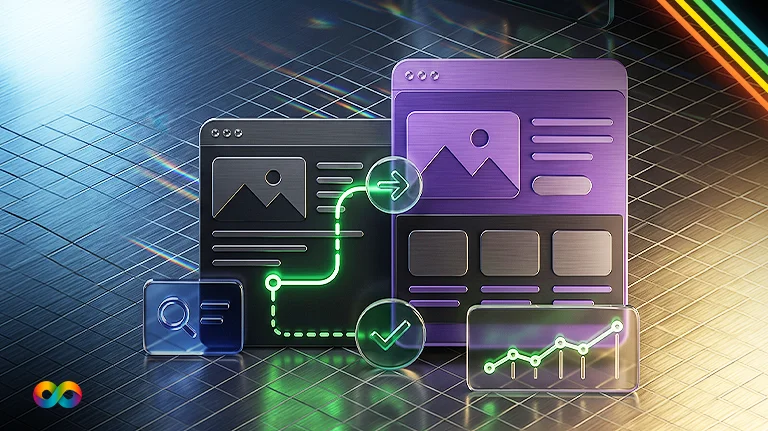






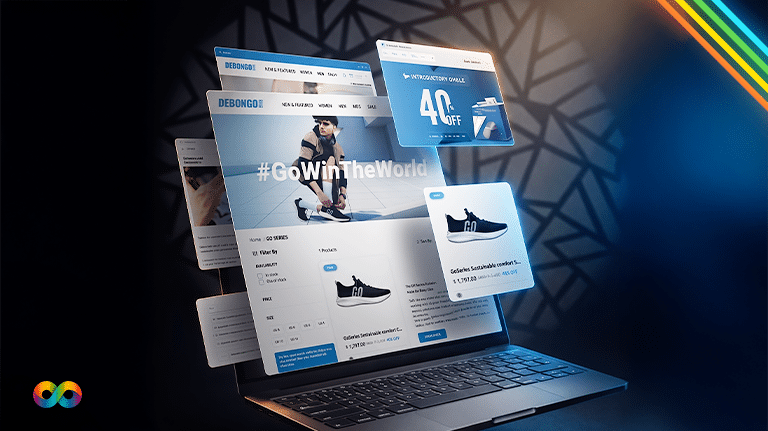

A great product page does more than showcase an item it convinces visitors to become customers. In today’s competitive online marketplace, every element on your product page influences buying decisions, from the product images and descriptions to customer reviews and call-to-action buttons. Website Product Page Design plays a critical role in improving user experience, building trust, and increasing sales. Whether you’re launching a new online store or improving an existing one, creating a high-converting product page should be a top priority.
In this guide, you’ll learn how to create product pages that convert visitors into buyers. We’ll also explore real-world examples, proven strategies, and actionable tips that help businesses increase conversions while delivering a seamless shopping experience.
Why Product Page Design Matters
Your homepage may attract visitors, but your product pages generate revenue. Once users land on a product page, they expect all the information they need to make a confident purchase.
An effective product page should:
- Build trust with potential customers.
- Answer common questions before they arise.
- Highlight product benefits.
- Reduce buying hesitation.
- Encourage immediate action.
When you focus on excellent eCommerce product page design, you improve user engagement and significantly increase conversion rates.
How Infinity Digital Creates High-Converting Product Pages
At Infinity Digital, we believe that every product page should be designed with both users and search engines in mind. Our team combines modern UI/UX design, conversion rate optimization (CRO), and SEO strategies to build product pages that encourage visitors to take action. From compelling layouts and persuasive copywriting to fast-loading pages and mobile optimization, we focus on every detail that contributes to higher sales and better customer experiences.
Essential Elements of a High-Converting Product Page
1. Use High-Quality Product Images
Customers cannot physically inspect products online, so visuals become their primary source of information.
Include:
- Multiple product images
- Zoom functionality
- Lifestyle images
- 360-degree product views
- Product videos whenever possible
For example, fashion brands often display products from multiple angles while showing models wearing them in everyday situations. This approach helps customers visualize ownership and reduces uncertainty.
2. Write Benefit-Focused Product Descriptions
Instead of simply listing specifications, explain how the product solves customer problems.
Instead of writing:
- Stainless Steel Water Bottle
- 750ml Capacity
Write:
Stay hydrated throughout your day with a leak-proof stainless steel bottle that keeps drinks cold for up to 24 hours and hot for 12 hours.
Customers purchase benefits, not features.
3. Create Clear and Compelling Headlines
The product title should immediately communicate what you’re selling.
Good examples include:
- Wireless Noise Cancelling Headphones
- Premium Ergonomic Office Chair
- Organic Vitamin C Face Serum
Avoid vague or keyword-stuffed titles that confuse shoppers.
4. Display Pricing Clearly
Hidden costs create frustration and increase cart abandonment.
Always display:
- Current price
- Original price (if discounted)
- Savings percentage
- Available financing
- Shipping costs
- Taxes where applicable
Transparency builds customer trust.
5. Use Strong Call-to-Action Buttons
Your CTA should stand out visually.
Examples include:
- Add to Cart
- Buy Now
- Get Yours Today
- Order Now
Use contrasting colors and position the button above the fold whenever possible.
Real Example #1: Apple
Apple’s product pages remain one of the best examples of conversion-focused design.
Why they work:
- Minimal distractions
- High-resolution images
- Benefit-driven copy
- Smooth scrolling
- Interactive product demonstrations
- Clear purchasing options
Apple allows customers to understand the product before making a purchase.
Build Trust with Social Proof
Modern shoppers rely heavily on customer feedback before buying.
Include:
- Verified customer reviews
- Star ratings
- Testimonials
- User-generated images
- Customer videos
Seeing positive experiences from real buyers encourages new customers to complete their purchases.
Add Trust Signals
Trust signals reduce purchase anxiety.
Examples include:
- Secure payment badges
- SSL certificates
- Money-back guarantees
- Free returns
- Warranty information
- Trusted shipping partners
Even small trust badges can increase conversions significantly.
Optimize Product Pages for Mobile Users
More than half of eCommerce purchases now happen on mobile devices.
A mobile-friendly page should include:
- Large buttons
- Fast loading speed
- Easy navigation
- Responsive design
- Mobile-friendly checkout
An optimized mobile experience supports both customer satisfaction and Product page optimization efforts.
Improve Product Descriptions with Scannable Content
Visitors rarely read every word.
Instead, make content easy to scan by using:
- Bullet points
- Short paragraphs
- Icons
- Headings
- Feature comparison tables
This approach keeps users engaged while helping them quickly find important information.
Use High-Impact Product Videos
Videos answer questions faster than text.
Include demonstrations showing:
- Product usage
- Key features
- Size comparisons
- Assembly process
- Before-and-after results
Videos increase customer confidence and reduce return rates.
Highlight Urgency and Scarcity
Urgency motivates customers to act immediately.
Examples include:
- Only 3 Left in Stock
- Sale Ends Tonight
- Limited Edition
- Free Shipping Until Midnight
However, always use genuine urgency. False scarcity damages credibility.
Include Frequently Asked Questions
Customers often hesitate because they have unanswered questions.
A product page FAQ should cover:
- Shipping time
- Return policy
- Product dimensions
- Material information
- Compatibility
- Warranty details
This reduces customer support requests and improves conversions.
Optimize for Search Engines
Great design alone isn’t enough. Your product page also needs strong Product page SEO to attract organic traffic.
Businesses partnering with Infinity Digital benefit from a strategic approach that combines Product page optimization, SEO, and user experience. Instead of relying on generic templates, we design customized product pages tailored to each brand’s audience and business goals, helping online stores maximize conversions and long-term growth.
Best practices include:
- Optimize title tags
- Write unique meta descriptions
- Use descriptive URLs
- Add image alt text
- Implement schema markup
- Include relevant keywords naturally
Combining SEO with user-focused design creates sustainable long-term growth.
Real Example #2: Nike
Nike product pages focus on both inspiration and functionality.
Their pages feature:
- Professional photography
- Multiple color options
- Product availability
- Customer reviews
- Detailed specifications
- Recommended products
The shopping journey feels effortless because every important detail appears exactly where users expect it.
Focus on User Experience
Great user experience often determines whether a visitor becomes a customer.
Improve UX by:
- Reducing page clutter
- Maintaining consistent branding
- Simplifying navigation
- Using readable typography
- Providing quick-loading images
- Offering easy checkout
Excellent Website Product Page Design combines attractive visuals with intuitive navigation to create a seamless buying experience.
Cross-Sell and Upsell Strategically
Increase average order value by recommending complementary products.
Examples include:
- Frequently Bought Together
- Complete the Look
- You May Also Like
- Customers Also Purchased
Amazon has mastered this strategy, helping customers discover additional products while increasing overall sales.
Showcase Shipping and Return Information
Customers want reassurance before making a purchase.
Clearly display:
- Shipping times
- Delivery estimates
- Return policy
- Exchange process
- Warranty coverage
Transparent policies reduce purchase hesitation and increase trust.
Follow Proven Product page best practices
Successful businesses continually test and improve their product pages. Some proven Product page best practices include:
- Using clear product photography
- Writing persuasive descriptions
- Keeping CTA buttons visible
- Displaying authentic reviews
- Showing trust badges
- Simplifying page layouts
- Optimizing for mobile devices
- Testing different page elements through A/B testing
Even small improvements can lead to measurable increases in conversion rates.
Continuously Test and Optimize
Never assume your product page is perfect.
Track metrics such as:
- Conversion rate
- Bounce rate
- Scroll depth
- Add-to-cart rate
- Average session duration
Run A/B tests on:
- Headlines
- Images
- CTA buttons
- Product descriptions
- Pricing layouts
Continuous testing allows you to make data-driven improvements over time.
Final Thoughts
Creating an effective Online store product page requires more than attractive visuals. Every component should guide visitors toward making a confident purchasing decision. From compelling product images and persuasive descriptions to trust signals and mobile responsiveness, every detail contributes to higher conversions.
At Infinity Digital, we specialize in designing conversion-focused eCommerce websites that help businesses increase sales and improve customer experiences. Whether you’re launching a new online store or optimizing an existing one, our team applies proven Website Product Page Design strategies that deliver measurable results. By continuously testing, analyzing customer behavior, and following industry best practices, Infinity Digital helps businesses build product pages that convert visitors into loyal customers and drive sustainable business growth.