


Adoption numbers on this topic move fast enough that last year’s figures are already dated. As of 2026, 88% of digital marketers report using AI daily, and ChatGPT specifically remains the most trusted tool for the job, selected by 80% of content marketers surveyed, well ahead of any competing platform. Here are 10 places it’s actually earning that trust, each with a concrete example of what it looks like in practice.
IMAGE IDEA (hero): A clean split-screen graphic, left side a blank cursor/empty page, right side a structured outline with sections filled in, visually representing “before AI” vs. “after AI” for the drafting process specifically (not a generic robot-hand-touching-human-hand stock image).
1. Content ideation and first drafts
Content ideation is the single most common AI use case in marketing right now, 74% of content marketers use it specifically for generating ideas, with a smaller but still substantial 44% using it to actually draft content. The realistic use here isn’t “AI writes the blog post,” it’s AI collapsing the time between “I need to write about X” and having a workable structure to edit.
Example: A dental practice needing 12 months of blog topics can get a full content calendar with working titles and rough outlines in one sitting, then have a writer take each one from outline to a properly researched, fact-checked, brand-voiced post, rather than starting each piece from a blank page.
IMAGE IDEA: A calendar grid mockup showing 12 monthly blog post titles filled in, with one month’s card “expanded” to show a short outline underneath, illustrating the ideation-to-outline pipeline visually.
2. Personalized campaign messaging
Making tailored messages for different customer segments used to be a slow, manual task. AI can now draft variations of the same core message adjusted for different demographics, locations, or interests, at a scale that makes real personalization practical for businesses that could never have justified the manual effort.
Example: A single promotional offer can be rewritten in minutes into a version emphasizing price for budget-conscious segments, a version emphasizing quality for premium buyers, and a version in different language for a specific community, without three separate briefs and three separate writers.
IMAGE IDEA: Three near-identical ad mockups side by side, same product photo, same offer, but visibly different headline and tone in each (“Save 20% today” vs. “Premium quality, limited stock” vs. a French-language version), showing personalization at a glance.
3. Social media management
AI tools can now draft a week’s worth of social captions, suggest posting times based on past engagement data, and repurpose one piece of content into formats for multiple platforms. The strategic judgment (what to actually post, how a brand should sound, which comments need a real human reply) still sits with a person.
Example: One case study or blog post can become a LinkedIn text post, an Instagram carousel outline, and three standalone tweet-length insights, drafted in one pass instead of three separate writing sessions.
IMAGE IDEA: A single source article icon in the center with three arrows branching out to mockup thumbnails of a LinkedIn post, an Instagram carousel, and a tweet, visually showing one piece of content becoming three formats.
4. SEO research and content structure
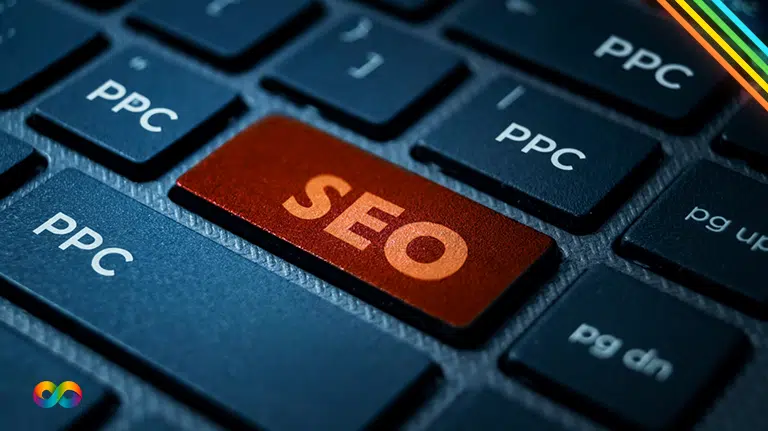
AI tools are useful for surfacing keyword opportunities, drafting outlines aligned with search intent, and flagging technical or metadata issues faster than manual review. What they don’t replace is the strategic judgment of which keywords are actually worth targeting, that’s still a job for an actual SEO strategy, not a prompt.
Example: Instead of manually checking title tag length and keyword placement across 40 service pages, an AI-assisted audit can flag every page missing a target keyword in its H1 in minutes, leaving the judgment of which pages to prioritize fixing to the strategist.
IMAGE IDEA: A simple audit checklist graphic, a list of page URLs with green checkmarks and red flags next to technical SEO items (title tag, meta description, H1), styled like a real audit report snippet.
5. Email subject lines and send-time optimization
AI-assisted email tools test subject line variations and adjust send timing to individual recipient behavior rather than one blanket schedule for an entire list. This is a comparatively low-risk application since the downside of a mediocre AI-generated subject line is limited.
Example: The same newsletter can be tested with three subject line variations across a small sample of the list, with the best performer automatically sent to the remainder, rather than one subject line guessed and sent to everyone at once.
IMAGE IDEA: A simple A/B/C split graphic showing three email subject line variants with small open-rate percentages next to each, and an arrow pointing to the winning variant being sent to “the rest of the list.”
6. Data analysis and pattern-spotting
Data analysis is the top marketing use case for AI overall, ahead even of content generation, cited by roughly 60% of marketers as their primary application. This is the least visible use case and arguably the most valuable: spotting a pattern across months of performance data that would take a person days to notice manually.
Example: A marketer reviewing three months of ad performance across a dozen campaigns used to need a dedicated afternoon and a stack of exported spreadsheets; the same review can now surface the underperforming segment or the unexpected regional spike in a fraction of that time.
IMAGE IDEA: A dashboard mockup with one line or bar visibly highlighted in a different color, an annotation arrow pointing to it labeled “unexpected spike, flagged automatically,” showing the pattern-detection concept concretely.
7. Ad copy variations and campaign diagnostics
For paid campaigns, AI is a real time-saver for generating multiple ad copy variations to test quickly, and for flagging when a campaign’s performance has dropped enough to warrant a new creative direction rather than a minor tweak.
Example: A single product ad can be drafted in five headline variations and three description variations in minutes, giving a media buyer a real testing matrix instead of one guess at the “best” copy.
IMAGE IDEA: A grid or matrix graphic, 5 headline options across the top, 3 description options down the side, showing the combinatorial testing set visually like a simple spreadsheet.
8. Pay-per-click keyword and bid research
PPC specifically benefits from AI-assisted keyword research, competitive analysis, and even early fraud detection on click patterns. The account-level decisions, budget allocation, bidding strategy, still require a person watching the account.
Example: Instead of manually reviewing a competitor’s visible ad copy across a dozen searches, an AI-assisted pull can summarize common themes and gaps in a competitor’s messaging in one pass.
IMAGE IDEA: A side-by-side comparison card, “Competitor A” and “Competitor B” with 3-4 bullet themes summarized under each, like a quick competitive snapshot a strategist would actually use.
9. Customer support chatbots
Chatbots handling routine questions, freeing human staff for the conversations that actually need a person, is one of the more mature, lower-risk AI applications in marketing. The technology (natural language processing layered on a knowledge base) has had years to mature compared to newer generative applications.
Example: A chatbot answering “what are your hours” or “do you take walk-ins” instantly, while flagging and routing anything about a billing dispute or a complaint straight to a staff member, rather than attempting to resolve it itself.
IMAGE IDEA: A simple chat-bubble mockup showing a routine question answered instantly by the bot, then a second thread showing “this needs a human” with a small handoff icon, illustrating the triage logic.
10. Customer segmentation
Manually dividing a customer base into meaningful groups by interest, behavior, and demographics used to be a slow, spreadsheet-heavy process. AI can now do this at a scale that makes properly targeted messaging practical for businesses that could never have justified the manual effort.
Example: A regional retailer can split its list into dozens of behavior-based segments overnight, first-time buyers, repeat customers, cart-abandoners, rather than spending a week building those groups by hand in a spreadsheet.
IMAGE IDEA: A simple funnel or bucket graphic, customer icons flowing in at the top and sorting into 4-5 labeled buckets (First-time buyers, Repeat customers, Cart abandoners, VIP, Inactive), a visual metaphor for automated segmentation.
What AI still doesn’t do well
Worth saying plainly, since most content on this topic won’t: AI-only content has measurably lower ranking longevity than content a human has actually edited and added real expertise to, and only about 1% of content marketers report that any of their published work is 100% AI-generated with no human involvement at all. The businesses getting real value from these tools are using AI to speed up the mechanical parts of marketing work, not to replace the judgment, brand voice, and strategic decisions that still need a person behind them.
This matters more the higher the stakes get. A chatbot answering a routine shipping question can afford to be slightly generic. An AI-drafted email to a long-standing client, or ad copy making a specific factual claim about a product, needs a human check before it goes out, since the cost of a mistake scales with how much trust or money is riding on that message. Treat every use case above as a starting point a person refines and takes responsibility for, not a finished output ready to publish unsupervised.